Yes, And over No, But
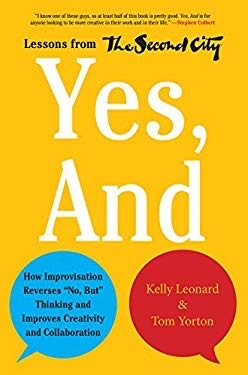
The core improv rule is to accept a partner's offer and build on it rather than blocking. Applied to teams, it sustains momentum and generates ideas instead of shutting them down.
6 ideas
The core improv rule is to accept a partner's offer and build on it rather than blocking. Applied to teams, it sustains momentum and generates ideas instead of shutting them down.
Second City's ensemble method lets leadership rotate to whoever makes the strongest offer in the moment. Authority becomes fluid and distributed rather than fixed at the top.
The authors argue innovation comes from ensembles building on one another's ideas, mirroring how a scene is made. Command-and-control structures suppress the offers that fuel creativity.
Improv normalizes public failure as a quick, low-stakes feedback loop. Treating mistakes as data lowers the cost of experimentation inside organizations.
Deep listening means being genuinely altered by what a partner says, not just waiting to respond. This willingness to be changed is framed as the root skill behind real collaboration.
Drawing on Second City craft, the authors show how managing status and being authentic translate from the stage to the workplace. Honest, status-aware behavior builds trust and candor at work.