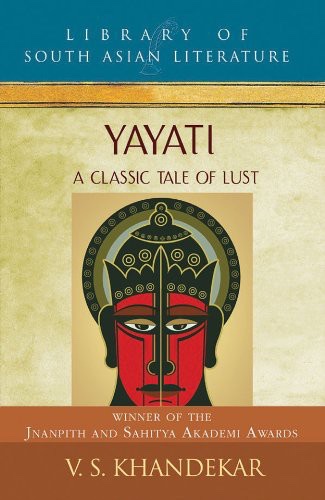
Cover of Yayati

Yayati

V.S. Khandekar

4 ideas

  1. Pleasure Cannot Be Exhausted by Indulgence

    Desire is not a finite appetite that can be satisfied by feeding it; the more one consumes pleasure, the more the craving expands. Indulgence does not extinguish longing but inflames it, so satiation is impossible through gratification alone.

  2. Borrowing Youth Postpones Without Resolving

    Yayati trades his son's youth to continue his own pleasures, but transferring the cost of one's desires onto another delays the reckoning rather than canceling it. The debt of consequence remains intact and eventually returns to the one who incurred it.

  3. Renunciation as Freedom, Not Deprivation

    What looks like giving up pleasure is reframed as release from the tyranny of endless wanting. The person who stops chasing gratification gains a peace unavailable to the one perpetually pursuing it, making restraint a form of liberation rather than loss.

  4. Kacha's Detached Devotion Versus Devayani's Possession

    Devayani loves Kacha and expects ownership in return, while Kacha offers gratitude and spiritual regard without romantic submission. The collision shows how love framed as a claim on another breeds resentment, while love that does not demand possession can remain intact.

Save and mark ideas in the app