Writing is thinking made visible
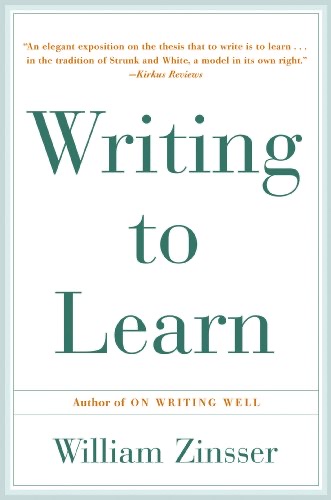
Zinsser argues you do not write about what you know; you learn what you know by writing it. Composing forces vague notions into ordered sentences, which is the act of understanding itself.
6 ideas
Zinsser argues you do not write about what you know; you learn what you know by writing it. Composing forces vague notions into ordered sentences, which is the act of understanding itself.
He contends writing is not the property of English class but a tool for mastering math, science, and art alike. Any field can be understood better by being explained in plain prose.
Zinsser insists on stripping clutter, jargon, and pretension so meaning shows through. Simple, concrete language is presented as an ethical duty to the reader, not a stylistic option.
He teaches by dissecting excellent nonfiction from many domains to show how experts made hard ideas clear. Reading strong examples closely is framed as the fastest way to improve.
Zinsser advises writing to a single person and about oneself honestly, which produces warmth and specificity. Abstract audiences produce lifeless prose; a concrete reader disciplines the voice.
Zinsser insists that clear expository prose is the universal solvent for explaining even technical or quantitative subjects. The book's method is to show hard material becoming teachable once a writer commits to sequence, evidence, and plain sentences.