Strategy as move and countermove
Competitive advantage is dynamic, built through action and rivals' reactions rather than static positioning. Firms must anticipate responses before acting.
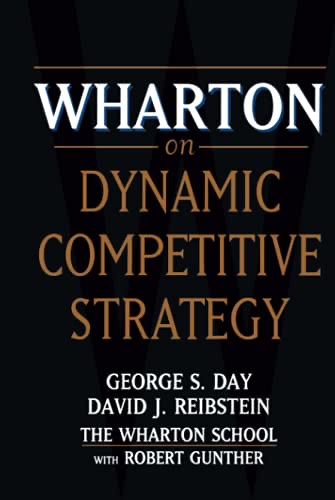
4 ideas
Competitive advantage is dynamic, built through action and rivals' reactions rather than static positioning. Firms must anticipate responses before acting.
The book models how specific rivals will react to price, product, and promotion moves. Predicting reactions is treated as a core analytic task.
Signaling, commitment, and deterrence shape competitive equilibria. Strategy is analyzed through the logic of interdependent decisions.
Any edge decays as competitors imitate it. Sustaining advantage requires continually rebuilding capabilities.