Beauty of the imperfect and incomplete
Wabi-sabi finds beauty in things imperfect, impermanent, and unfinished. Koren frames it as the aesthetic opposite of the Western ideal of monumental, flawless perfection.
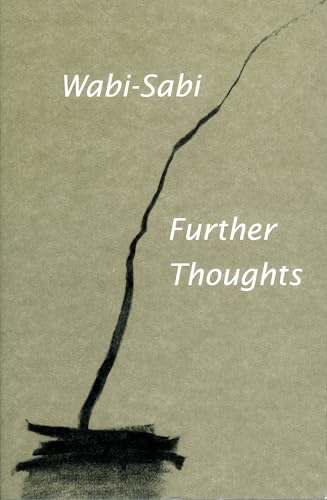
10 ideas
Wabi-sabi finds beauty in things imperfect, impermanent, and unfinished. Koren frames it as the aesthetic opposite of the Western ideal of monumental, flawless perfection.
Because nothing lasts, wabi-sabi treats decay, patina, and transience as sources of beauty rather than flaws. The worn and weathered carries meaning the pristine cannot.
The aesthetic favors humble, natural, unpretentious materials over grandeur. Rough clay and asymmetry embody a metaphysics that resists gloss and ornament.
He argues the look is inseparable from a Zen-inflected acceptance of nature's cycles. Style here expresses a philosophy, not merely a taste.
Wabi-sabi strips objects and spaces to their quiet essence, removing the inessential. Restraint reveals intrinsic character rather than adding decoration.
Koren lists physical traits that signal wabi-sabi: suggestion of natural process, irregularity, intimacy, unpretentiousness, earthiness, murkiness, and simplicity. These qualities include weathering, asymmetry, small scale, and materials that visibly record corrosion or wear. The list gives designers concrete criteria in place of vague mood.
Koren sharpens wabi-sabi by setting it against modernism in paired contrasts. Modernism is rational, geometric, mass-produced, and oriented to the future and to lasting technological control. Wabi-sabi is intuitive, organic, one-of-a-kind, and oriented to the present and to accepting that nature cannot be controlled. He presents the two as sharing some surface features, such as plainness and an absence of decoration, while resting on opposed values.
Koren says that Japanese practitioners have tended to leave wabi-sabi undefined. He links this reticence partly to Zen distrust of verbal knowledge and partly to tea masters' interest in keeping the aesthetic exclusive.
Koren argues that wabi-sabi finds beauty in the inconspicuous, the humble, and even the ugly. Beauty is treated as something that can arise from the right way of looking, not as a fixed property of an object. In practice, this means paying close attention to worn surfaces, small flaws, and unassuming materials that conventional taste passes over.
The metaphysical basis Koren gives wabi-sabi is that everything is either emerging from nothingness or dissolving back into it. On this view, the earliest faint beginnings and the last traces of decay are both worth attention. Emptiness is treated as full of potential, not as a void.