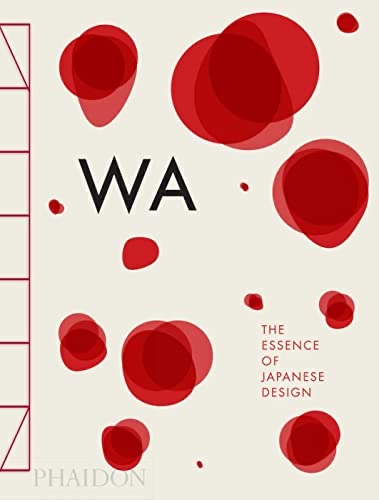
Cover of Wa

Wa

Rossella Menegazzo

5 ideas

  1. Wa as harmony in Japanese design

    The book organizes Japanese design around wa, the principle of harmony, balance, and quiet unity between object, user, and nature. This cultural value is presented as the connective thread through both traditional crafts and modern products.

  2. Everyday objects as design canon

    Menegazzo catalogs ordinary objects (chopsticks, tea implements, packaging, tools) to show refinement in the humble and functional. The premise is that Japanese design excellence lives in daily use, not only in monuments.

  3. Continuity of tradition and modernity

    The collection pairs age-old handcraft with contemporary industrial design to show an unbroken aesthetic lineage. It argues that modern Japanese design carries forward inherited sensibilities of material, restraint, and care.

  4. A catalogue of anonymous design

    Objects are presented in a compendium format that foregrounds the artifacts themselves rather than named designers. The method reveals shared principles by juxtaposition across many common items.

  5. Material honesty and natural fit

    Japanese objects are read as honoring their materials and the human gestures that use them. The book frames good design as an unforced fit between object, material, and daily life.

Save and mark ideas in the app