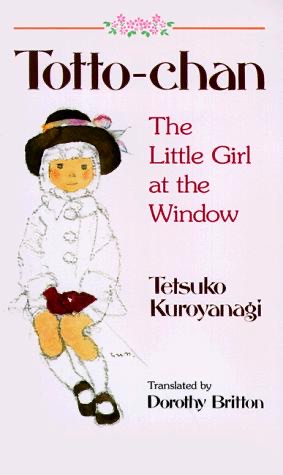
Cover of Zoku Madogiwa no Totto-chan

Zoku Madogiwa no Totto-chan

Tetsuko Kuroyanagi

4 ideas

  1. Waving flags for soldiers, paid in squid

    As a hungry wartime schoolgirl in Tokyo, Totto went to the station to wave flags at soldiers departing for the front, because doing so earned her a piece of dried squid. Only later did she grasp that she had cheered men toward their deaths in exchange for food. She carried that small, self-interested act as lasting guilt, as her evidence of how easily a child is enlisted into a war's machinery.

  2. The quirk NHK tried to erase

    Among NHK's first cohort of television actresses in 1953, Kuroyanagi was repeatedly told her fast, idiosyncratic speech and manner were defects to be trained out. A radio drama writer then cast her specifically for that voice and told her not to change it. The trait the institution treated as a flaw became the basis of her career.

  3. Displacement forces the parent to reinvent

    With the father conscripted and later held in Siberia, the mother of a formerly comfortable Tokyo family became the breadwinner in rural Aomori through peddling and improvised trades. The book presents her pragmatic, unembarrassed willingness to do whatever work was available as what kept the family intact. It also presents it as the model of resilience the daughter absorbed.

  4. War recorded at a child's scale

    The book renders war through what a child actually registers: a beloved school burned in an air raid, rationed scraps of food, a father's absence, a sudden move to snow country. It does not present war through battles or politics. Building history from these small material losses makes the cost concrete, and it shows how war dismantles the conditions for childhood itself.

Save and mark ideas in the app