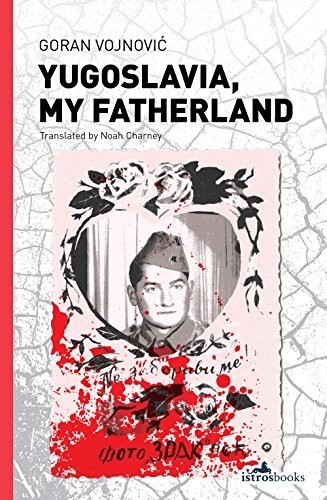
Cover of Yugoslavia, My Fatherland

Yugoslavia, My Fatherland

Goran Vojnović (Slovenia)

3 ideas

  1. Protective family silence reproduces national amnesia

    The mother tells her son his father is dead to protect him, and in doing so she mirrors how successor states handled the war: they buried an uncomfortable past instead of accounting for it. The lie does not remove the inheritance. It postpones it, so the son meets his father's crimes as an adult, alone and without context.

  2. Lost state experienced as lost parent

    The novel treats the collapse of Yugoslavia and the disappearance of a father as the same event felt at two scales. The father's identity was tied to the army and the federation, so when both vanished, the child lost his origin, his authority figure and his sense of home together. Seen this way, nostalgia for a dead country is grief for a family structure, and anger at the country's crimes is also anger at a parent.

  3. Retroactive ethnicity of mixed-origin children

    Children born into a supranational Yugoslav identity had ethnic labels imposed on them after the country broke apart. In the lands of his father's side, he is a foreigner. He belongs fully to neither, because the category he was born into, being Yugoslav, no longer exists anywhere.

Save and mark ideas in the app