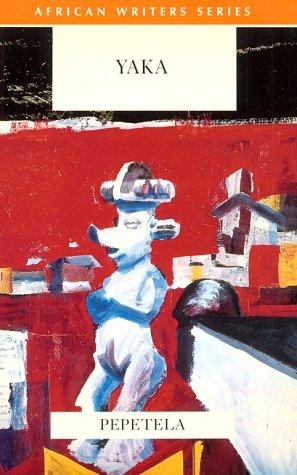
Cover of Yaka

Yaka

Pepetela

4 ideas

  1. Alexandre Semedo's eighty-five years in Benguela

    Alexandre Semedo is born in Benguela in 1890 to Óscar, a Portuguese exile, and lives through the colonial wars of conquest, including the Bailundo revolt of 1902, then the settler boom and the 1961 uprising, until independence in 1975. His children and grandchildren split between colonial loyalty, settler separatism and joining the nationalist movement. At the end the aged patriarch comes to accept the MPLA's Angola his grandson is fighting for, an evolution from inherited colonizer to reluctant witness of the colony's end.

  2. Colonial-born settlers belong but refuse belonging

    Settlers born in the colony develop real attachment to the land and resentment of the metropole, yet they define themselves against the Africans around them. That makes their 'nativeness' a claim to ownership rather than to membership. When they imagine autonomy, it takes the form of a settler-run state that replaces Lisbon while keeping the racial hierarchy. Only a later generation that breaks with its elders can actually join the colonized majority.

  3. History read through a statue's body

    The novel's five parts are named for parts of the Yaka statue: mouth, eyes, heart, sex and legs. Each era of colonial history is framed as one organ of a body gradually awakening, until the legs let it walk away from colonial possession. Reading a period this way treats history as the slow reanimation of the colonized subject rather than as the settlers' chronicle of progress.

  4. The mute object as truer witness

    The Yaka statue sits in the settler household as a decorative curio, but in its own interludes it registers the violence, hypocrisy and blindness the family cannot see in themselves. Placing the perspective in a silenced African artifact makes the colonized side the one that remembers and judges. Meanwhile the colonizers, who believe they own the object, are the ones who fail to understand.

Save and mark ideas in the app