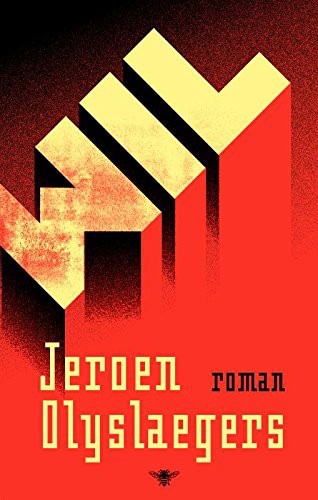
Cover of Wil

Wil

Jeroen Olyslaegers

4 ideas

  1. Antwerp auxiliary policeman in the 1942 round-ups

    Wilfried Wils, a young Antwerp auxiliary policeman and would-be poet, takes the job partly to avoid labour deportation to Germany. Through 1942 he is drawn step by step into the local police's help with the German round-ups of Antwerp's Jews, while trying to protect himself, the woman he loves, and people close to him. Decades later, as an old man, he writes it all down for his great-grandson. The novel draws on the historical fact that Antwerp police took part in the August 1942 raids, while Brussels authorities largely refused.

  2. Complicity as drift, not decision

    Complicity rarely comes from one choice to do evil. It builds through a series of small accommodations, such as taking a safe job, obeying an order, or looking away once, and each one makes the next seem normal. By the time the act is plainly monstrous, the person has already given up every earlier point where refusing would have been easy.

  3. Self-preservation and protecting loved ones fuel complicity

    Wanting to survive and to shield the people you love is decent in itself. Under occupation, though, it becomes the main thing that turns ordinary people into accomplices, because each protective bargain is paid for with someone else's safety. The same instinct that feels like loyalty is what the occupying regime relies on.

  4. Late confession as self-justification

    Read a perpetrator's account written in old age for a descendant as both testimony and defence. The narrator confesses and flinches at once. The gaps, rationalisations and demands for understanding reveal how guilt is carried and managed, not only what happened. Handing it to the next generation tests whether honesty is still possible, or whether memory has already reshaped the story to be bearable.

Save and mark ideas in the app