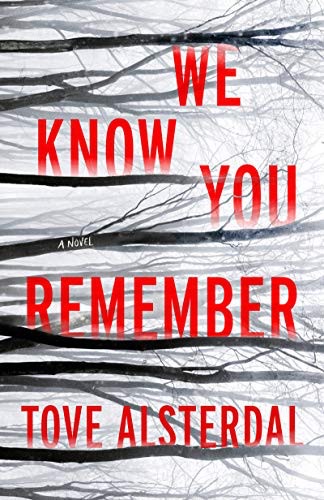
Cover of We Know You Remember

We Know You Remember

Tove Alsterdal

4 ideas

  1. Olof Hagström's return to Ådalen

    Her body was never found, and he was too young to be tried, so he was sent away and his family was shattered. Over twenty years later he returns to his father's house, finds his father dead in the bath, and the local community's old certainty about his guilt revives at once.

  2. An untried confession convicts permanently

    When a minor confesses but is too young to be prosecuted, no court ever tests the evidence, so there is no acquittal that could clear him. The confession becomes the only official record and hardens into settled fact. The accused carries a guilty verdict that no institution ever actually delivered and that no process exists to reverse.

  3. Community memory as an unappealable verdict

    In an isolated, shrinking town, a shared story about who did it becomes part of how people understand themselves and their past. Any new event, such as a fresh death, is read through that old story rather than examined on its own terms. Revising the story would mean admitting the community itself wronged someone, so suspicion is re-applied rather than reconsidered.

  4. Memory as both evidence and weapon

    The phrase 'we know you remember' presumes that someone holds a hidden truth that pressure can extract. The novel sets this against memory's actual fragility: the investigating detective's mother has dementia, and a teenager coached into a confession may come to half-believe it himself. Demanding recollection can manufacture the answer investigators already expect instead of uncovering what happened.

Save and mark ideas in the app