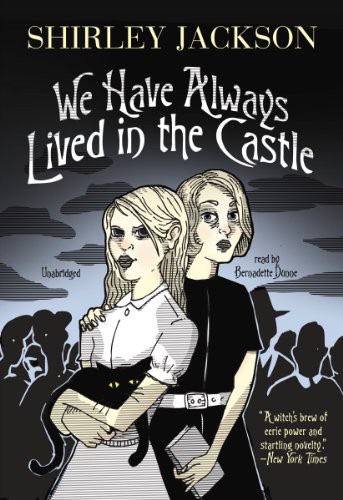
Cover of We Have Always Lived in the Castle

We Have Always Lived in the Castle

Shirley Jackson

4 ideas

  1. The Blackwood arsenic poisoning and its aftermath

    Six years earlier, arsenic was put in the sugar bowl at the Blackwood family dinner; four family members died, Uncle Julian was left an invalid, and Constance, who did not take sugar, was tried for murder and acquitted. The narrator Merricat, then twelve and sent to bed without supper, was the actual poisoner, and Constance knowingly shielded her. When cousin Charles arrives to court Constance and get at the family safe, Merricat starts a fire, the villagers loot the burning house, and the sisters seal themselves inside the charred ruin, where the guilt-stricken villagers start leaving food on the doorstep.

  2. The loving narrator who is the killer

    Merricat tells the story in a voice full of tenderness, whimsy and devotion, and only slowly shows that she is the murderer. Because the reader takes on her affectionate framing before learning the truth, the reader is made complicit, showing how the emotional register of a narration can override moral judgment of what it describes. Warmth and ruthless violence sit in the same mind without contradiction.

  3. Magical thinking as a boundary defense

    Merricat protects the house with private rituals: burying coins, nailing a book to a tree, choosing 'magic words' she believes keep intruders out. These rituals give her a sense of control over threats she cannot actually control. When the threat gets past them, she escalates to real destruction, which shows how symbolic defenses can turn into literal ones.

  4. Communities need a scapegoat, then are shamed by it

    The village's hostility toward the Blackwoods holds its own identity together: children chant rhymes about them and adults shun them without evidence of guilt. When the mob's violence during the fire goes too far, collective shame reverses into anonymous offerings of food and apology. The outcast family ends up sustained by the same resentment that created it. Persecution and penance are two phases of one mechanism that keeps the outsider fixed at the margin.

Save and mark ideas in the app