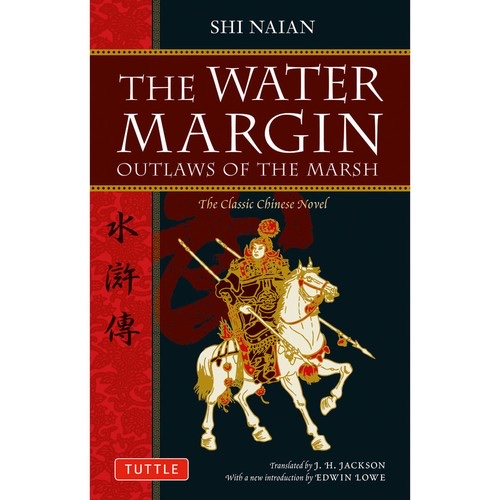
Cover of Water Margin

Water Margin

Shi Nai'an (attributed)

4 ideas

  1. Lin Chong framed and hunted through snow

    Lin Chong, arms instructor to the imperial guards, is lured into the forbidden White Tiger Hall carrying a sword because Marshal Gao Qiu's adopted son covets his wife; he is branded and exiled to Cangzhou, and his bribed escorts try to kill him in Wild Boar Forest until the monk Lu Zhishen intervenes. In Cangzhou, Gao Qiu's agents set fire to the fodder depot Lin guards during a snowstorm, and he survives only because heavy snow collapsed his hut and he had sheltered in a mountain temple. From that temple he overhears the plotters boast, kills them, and flees to Liangshan Marsh. At each stage he had tried to submit to the law.

  2. Driven to Liangshan: coerced rebellion

    A law-abiding person becomes an outlaw when every lawful option is closed by those who control the law, not by choosing rebellion. Each concession the person makes to authority is answered with a new escalation, until resistance is the only way left to survive. The phrase became a Chinese idiom for being forced into revolt by injustice.

  3. The admission ticket of shared guilt

    When Lin Chong arrives at Liangshan, the chieftain Wang Lun demands a "certificate of admission": he must kill a passerby within three days to be accepted. An illicit group binds a newcomer by making them commit an irreversible crime, which destroys their route back to lawful society and gives the group leverage over them. The group secures loyalty through complicity, not trust.

  4. Amnesty turns rebels into disposable instruments

    Song Jiang leads the outlaws to accept imperial amnesty, hoping to serve the state that wronged them. The court then sends them against foreign invaders and the rebel Fang La, and most of the 108 die in these campaigns. The book presents amnesty as a way for power to spend its enemies' strength on other enemies while leaving the corruption that created them untouched.

Save and mark ideas in the app