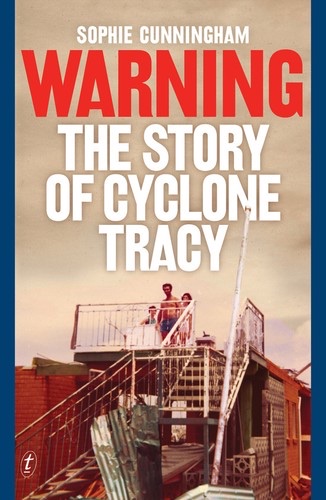
Cover of Warning: The Story of Cyclone Tracy

Warning: The Story of Cyclone Tracy

Sophie Cunningham

4 ideas

  1. Cyclone Tracy flattens Darwin, Christmas 1974

    In the early hours of Christmas Day 1974, Cyclone Tracy destroyed most of Darwin's buildings and killed dozens of people. Of a population of roughly 45,000, more than 30,000 were evacuated within days, mostly by air and mostly women and children, under Major General Alan Stretton. Many evacuees never returned, and the city was rebuilt under much stricter cyclone building codes.

  2. Warning fatigue from a recent near-miss

    Weeks before Tracy, Cyclone Selma had threatened Darwin and then turned away. That false alarm taught residents that warnings were overblown. Combined with Christmas Eve festivities, it led many to ignore accurate forecasts, because a warning's credibility is judged by the last threat's outcome rather than by the current evidence.

  3. Evacuation can inflict its own lasting disaster

    Emergency authorities prioritised flying out women and children while keeping men behind for cleanup. Their aim was to prevent disease and ease pressure on the city, but the policy split families and dispersed a community across the country. The social damage from separation, displacement and non-return rivalled the physical destruction, so an evacuation's success in logistical terms can mask its human cost.

  4. Disasters as forecasts of climate futures

    A historical catastrophe can be read as a preview of events that warming will make more frequent or intense, not as a closed event. Seen this way, survivors' testimony about unpreparedness, denial and slow recovery becomes a guide to how societies will respond to escalating climate extremes.

Save and mark ideas in the app