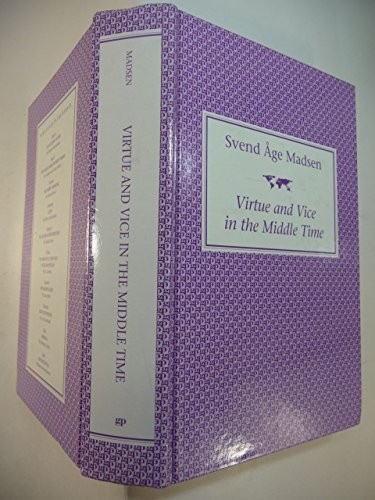
Cover of Virtue and Vice in the Middle Time

Virtue and Vice in the Middle Time

Svend Åge Madsen

4 ideas

  1. Future Aarhus narrator reconstructs a 1970s crime

    In a far-future, utopian Aarhus, a narrator sets out to write a crime story set in the 1970s, which his society calls the 'Middle Time'. He keeps interrupting it to explain and puzzle over that era's morals and customs. His own present-day life runs alongside the reconstructed plot until the two timelines braid together in a comic, self-aware structure.

  2. Seeing the present as a future anthropologist would

    Describe your own era's ordinary norms through the eyes of a distant future that finds them strange. Assumptions that feel natural then look like odd local rituals that need explaining, which shows how arbitrary they are. The humor comes from the gap between how seriously the era took its customs and how baffling they look from outside.

  3. Utopias must borrow conflict from the past

    A society that has removed scarcity and serious strife also loses the raw material for dramatic stories. Its storytellers therefore go back to a harsher era for crime, guilt and transgression. The contented future ends up consuming the suffering of the past as entertainment.

  4. Reconstruction of the past bleeds into the present

    A historian's account of an earlier period is shaped by the teller's own time and life. Gaps get filled with present concerns, and the reconstructed era starts to mirror the one doing the reconstructing. Judgments of 'virtue' and 'vice' look like reports on the past but reveal as much about whoever is judging.

Save and mark ideas in the app