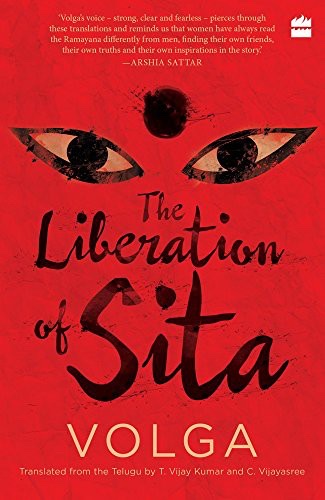
Cover of Vimukta

Vimukta

Volga

4 ideas

  1. Ahalya warns Sita against accepting tests

    Ahalya was cursed by her husband Gautama after Indra seduced her disguised as him, and she later met Sita, a woman whose chastity was also being doubted. Ahalya refuses to make her worth depend on whether she 'knew' it was Indra. She tells Sita that submitting to a husband's inquiry concedes his right to judge, and that no ordeal can settle the question for a man who has already chosen to doubt. The episode shows a woman declining the terms of the trial rather than trying to win it.

  2. Chastity-backed power is revocable by others

    Renuka was said to carry water in an unbaked pot of sand through the force of her chastity. When one moment of wavering attention broke that power, her husband ordered their son to behead her. Any power a woman holds only as proof of her purity makes her worth a loan that the men who certify her purity can recall at any time.

  3. Rama is imprisoned by his role

    The book presents Rama as having no inner freedom, not simply as a villain. He banishes Sita because he has made himself the embodiment of kingly dharma and public opinion, and has no self outside that role. The same structure that wrongs women also traps the men who enforce it, turning them into instruments of an order they cannot leave.

  4. Liberation means a self outside relationship

    Each wronged woman, including Surpanakha tending her garden after her mutilation and Urmila in her long solitude, reaches freedom by building an inner life her husband or lover no longer defines. Seen this way, Sita's final refusal to return to Rama is not rejection or revenge. It is her recognition that her identity no longer has to be settled through him.

Save and mark ideas in the app