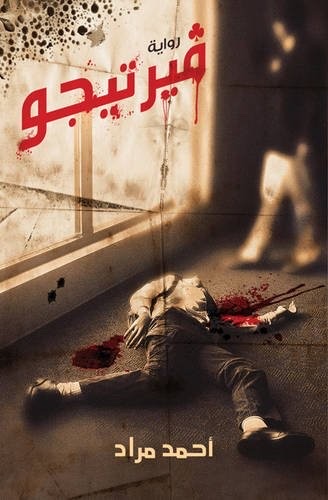
Cover of Vertigo

Vertigo

Ahmed Mourad

4 ideas

  1. Nightclub photographer flees with murder photographs

    The perpetrators belong to the circle of wealthy men protected by the Mubarak-era regime, and the official account quickly turns the killing into something else. Kamal realizes his camera has captured the truth, hides the pictures, and goes on the run, trying to find a way to make them public without being killed or silenced.

  2. The photographer as furniture in power's rooms

    Service workers such as photographers, waiters and drivers see the elite unguarded because the powerful stop registering them as people who can testify. Their invisibility is what gives them access, and it is also why their testimony is dangerous. Once they reveal what they saw, they lose that invisibility and gain no protection in return. The book's author, himself a former presidential photographer, builds the story on this vantage point.

  3. Evidence is worthless without an outlet willing to publish

    In a crony state, a photograph proves nothing until someone with a platform dares to print it. Newspapers depend on the same businessmen and security officials the evidence would expose. The real struggle is therefore not getting the truth but finding a channel that will carry it. That forces the witness to trade, time and disguise his material, for example by leaking it in fragments or through indirect columns, instead of simply releasing it.

  4. Official narrative overwrites the crime scene

    When the perpetrators are connected, the security apparatus does not deny that the event happened. Instead it recasts it, turning a murder into a brawl, an accident or someone else's crime, and makes the witness the problem to be managed. Impunity works through controlling the story after the fact, not through preventing the violence itself.

Save and mark ideas in the app