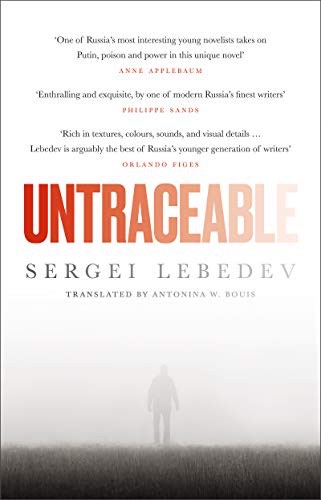
Cover of Untraceable

Untraceable

Sergei Lebedev

4 ideas

  1. Chemist Kalitin Hunted for His Nerve Agent

    Kalitin is a Soviet-trained chemist who built an undetectable nerve agent called Debutant in a closed, secret research facility. After the Soviet collapse he defected and lives in Germany under a new identity, ageing and ill. Two officers, Shershnev and Grebenyuk, are sent to kill him, and the plan is to use his own creation against him.

  2. Craft Perfection Anesthetizes the Weapon-Maker's Conscience

    Kalitin treats his poison as elegant problem-solving: a work of pure science or art judged by its precision and its undetectability. That aesthetic and professional absorption lets him think of himself as an author rather than an accomplice to murder. The moral question gets displaced by the technical question of whether the thing works beautifully.

  3. Poison as Deniable Yet Legible Signature

    A state poisoning is meant to be technically untraceable in court but unmistakable in meaning to its intended audience. Deniability protects the state legally, while recognizability delivers the warning to defectors and would-be traitors. The weapon's value lies in holding both at once: invisible as evidence, obvious as a message.

  4. Institutional Continuity Behind Political Rupture

    The Soviet Union fell, but its secret laboratories, poison stockpiles, and security-service habits carried over into the new state. The men sent to kill act as career functionaries executing an inherited mission, not as ideologues. Regime change on the surface can leave the machinery of violence, and the people who run it, intact.

Save and mark ideas in the app