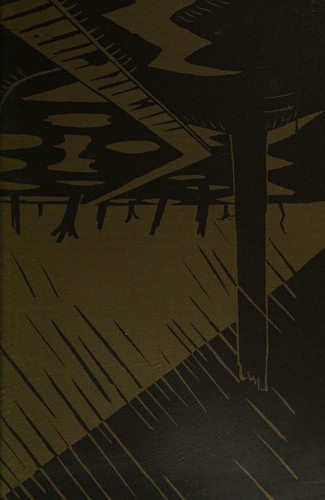
Cover of Undertones of War

Undertones of War

Edmund Blunden

4 ideas

  1. The Boar's Head diversion at Richebourg

    On 30 June 1916, the day before the Somme offensive, the Southdown battalions of the Royal Sussex Regiment made a diversionary attack on a German salient called the Boar's Head near Richebourg. In a few hours they took heavy losses for no lasting gain, and it became remembered locally as 'the day Sussex died.' Blunden's battalion was among them, and he presents the raid as a clear case of a sacrificial action whose purpose was only to distract the enemy.

  2. Landscape as witness to destruction

    Blunden reads the war through the countryside it wrecks: orchards, chalk streams, farm buildings and birds along the Ancre and around Ypres keep appearing beside the shell holes. Because the eye holds on to what survives, each ruined village and splintered wood registers as a specific loss rather than generic 'devastation.' The pastoral detail does not soften the war. It is the baseline against which the damage can be measured.

  3. Understatement conveys horror better than rhetoric

    The book tells its worst events in a muted, ironic, almost courteous register. Deaths of friends appear as brief, exact notes in the middle of routine, and the sudden drop in tone does the emotional work. Blunden's method implies that restraint, the 'undertone,' is truer to how atrocity is lived, because the mind absorbs shock through small particulars rather than grand statements.

  4. The harmless young shepherd in uniform

    The memoir ends with Blunden calling himself 'a harmless young shepherd in a soldier's coat.' The image names a gentle, rural sensibility that was conscripted into industrial violence without ever being converted by it. It frames the war as done by innocents rather than warriors, so the tragedy lies in how badly the man fits the role.

Save and mark ideas in the app