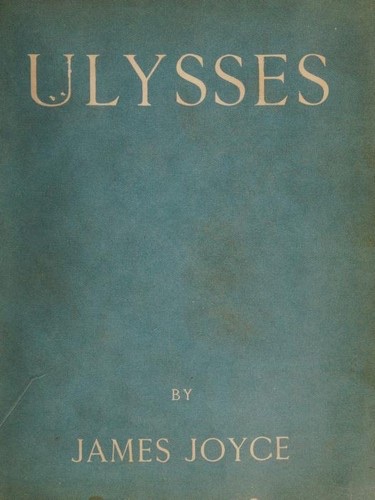
Cover of Ulysses

Ulysses

James Joyce

4 ideas

  1. Bloom's ordinary Dublin day, 16 June 1904

    Leopold Bloom, a Jewish advertising canvasser, spends one day in Dublin. He cooks a kidney for breakfast, attends Paddy Dignam's funeral, tries to place an ad, and is heckled as an outsider by the nationalist Citizen in Barney Kiernan's pub. Late that night he rescues the young Stephen Dedalus in the brothel district. All day he avoids going home, because he knows his wife Molly will meet her lover Blazes Boylan there that afternoon.

  2. Stream of consciousness as unedited thought

    The book renders a mind as fragments, associations and half-sentences. It does not tidy thoughts into narrated summary, so perception, memory and desire arrive jumbled together as they actually occur. It shows that a character is revealed more by the order and drift of her thoughts than by anything she decides or does.

  3. Style as a changing lens, not a transparent window

    Each of the eighteen episodes uses a different style. These include newspaper headlines, a parody of the history of English prose, a stage script of hallucinations, and a catechism of questions and answers. The same events look different depending on which style carries them. The point is that no neutral way of telling exists: form decides what can be seen, so changing the style changes the reality shown.

  4. Epic significance lives in ordinary life

    Mapping the Odyssey onto one unremarkable day argues that heroism, exile and homecoming happen within a common life. The heroic moments are small: Bloom's kindness, his tolerance and his endurance of betrayal. Stature comes from how a person meets the day, not from grand deeds.

Save and mark ideas in the app