Seating arrangement as class structure
Read the passenger vehicle as a diagram of social hierarchy. Watching who rides and who pulls shows power as a physical, daily arrangement, not just an abstraction in speeches or institutions.
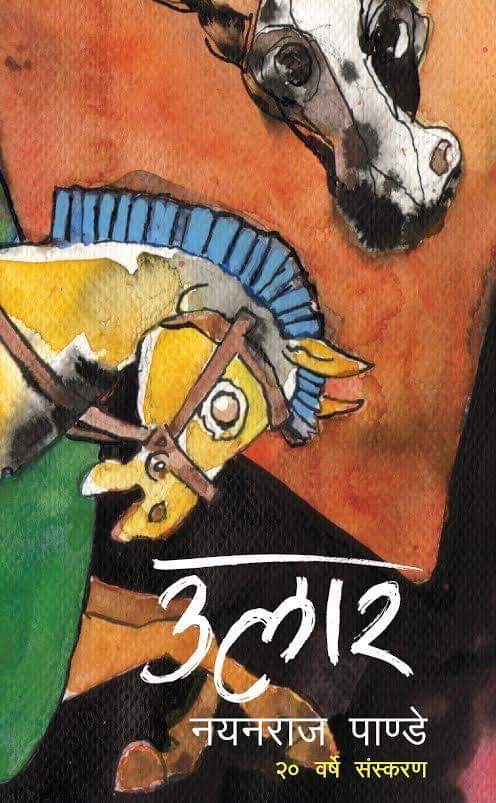
A short Nepali novella set on election day in Nepalgunj, where a rickshaw puller carries local politicians and exposes the gap between electoral promises and the lives of the Tarai's labouring poor.
Read the passenger vehicle as a diagram of social hierarchy. Watching who rides and who pulls shows power as a physical, daily arrangement, not just an abstraction in speeches or institutions.
Electoral politics in the Tarai uses the labouring poor as infrastructure and audience: they carry the candidates, fill the crowds and cast the votes. The material gains of the process go to the political class.
The title word is commonly glossed as a cart tipping over backward when its load sits unevenly. The book uses this as a model of society: when the weight is concentrated on those who carry, and the riders take no responsibility for balance, the whole vehicle is at risk of overturning. The instability comes from how the load is distributed, not from any single passenger's weight.