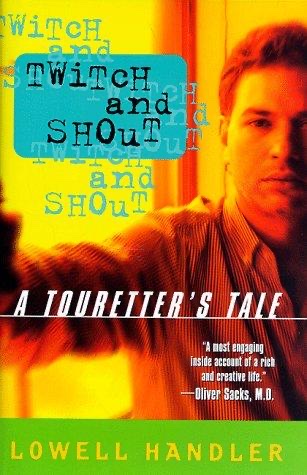
Cover of Twitch and Shout

Twitch and Shout

Lowell Handler

4 ideas

  1. Photographing Tourette's among Alberta's Mennonites

    Handler photographed and interviewed the people there. Their tics were embedded in a closed, devout community that had to make sense of them within its own religious and social framework, which made the episode a natural test of how a condition's meaning depends on the surrounding culture.

  2. A correct diagnosis relieves self-blame

    For years Handler's tics were treated as nervous habits, bad behavior, or psychological problems, so he absorbed them as personal failings. Learning that they came from a named neurological disorder recast them as something happening to him rather than something wrong with him. The label did not reduce the symptoms, but it reduced the shame and gave him a way to explain himself to others.

  3. Tic suppression builds pressure that rebounds

    People with Tourette's can often hold back tics for a while, for example during a meeting or while taking a photograph. The urge accumulates while they do, and it is later released in a burst. Observers who see tics held in check conclude the behavior is voluntary. The cost is only moved to a later time, and the misreading feeds accusations that the person could stop if they wanted to.

  4. Medication as a trade against identity

    Neuroleptic drugs such as haloperidol can dampen tics but may also blunt alertness, energy, and quickness, qualities some Touretters see as part of their creative selves. Seen this way, treatment is not a simple removal of symptoms. It is a negotiation over how much of oneself to give up in exchange for social ease, and only the patient can weigh that.

Save and mark ideas in the app