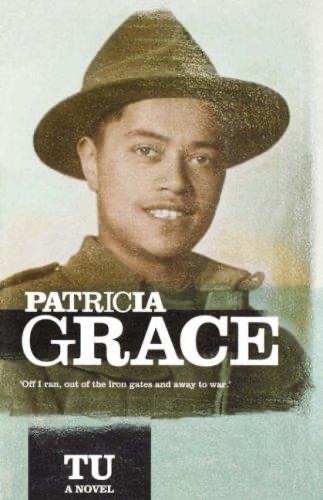
Cover of Tu

Tu

Patricia Grace

3 ideas

  1. The price of citizenship paid in blood

    Māori leaders framed service in the Second World War as a payment. Visible sacrifice by an indigenous minority would compel the settler state to grant full equality and recognition in return. The novel tests that bargain against its cost in young men's lives, and against a postwar society that did not reliably honour the debt.

  2. Unspoken war trauma is inherited across generations

    The brothers' father came back from the First World War damaged. His silence and suffering shaped the family that then sent its three sons to the next war. Trauma passes forward through what veterans cannot say, so the cycle breaks only when a survivor deliberately puts the experience into words for descendants.

  3. Private testimony corrects public war narrative

    Official and communal accounts of war compress it into honour, bravery and statistics. A first-person notebook written for family restores the fear, boredom, cruelty, guilt and small intimacies that the public story removes. Reading war through a survivor's private record addressed to kin shows what the heroic version leaves out.

Save and mark ideas in the app