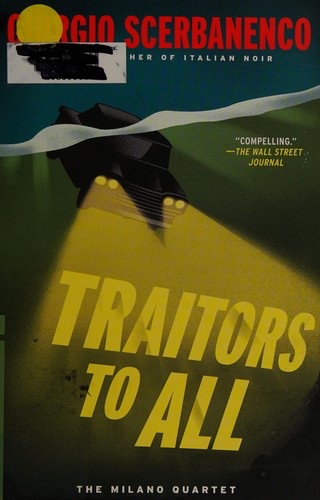
Cover of Traitors to All

Traitors to All

Giorgio Scerbanenco

4 ideas

  1. Struck-off doctor hired for bridal deception

    Duca Lamberti, jailed and barred from medicine for euthanizing a terminally ill patient, takes paid off-book work that includes a restorative surgery so a young woman can pass as a virgin at her marriage. The job pulls him into a chain of killings tied to wartime betrayals and present-day arms trafficking in 1960s Milan, where he ends up working alongside the police who once prosecuted him.

  2. Traitors to all: betrayal without allegiance

    Some wartime collaborators sold information to whichever side paid, betraying partisans and fascists alike. Their only loyalty was to profit, so the moral categories of the war, resistance versus collaboration, cannot classify them. Their unpunished crimes carry over into peacetime prosperity, and their victims' heirs pursue private vengeance for them decades later.

  3. Economic boom as crime accelerant

    Read the Milan of Italy's economic miracle as a place where sudden money, anonymous new suburbs and weakened traditional ties create markets for vice: prostitution, guns, respectable fronts for smuggling. On this view, prosperity does not reduce crime but industrializes it. Criminals start behaving like businessmen, and ordinary people treat moral compromise as a normal cost of getting ahead.

  4. The disqualified outsider sees what institutions miss

    A man expelled from his profession for an act of conscience no longer shares its incentives or illusions. That makes him a sharper investigator than those inside the system. His exclusion gives him access to the underworld and a moral freedom that officials lack, although it also leaves him tempted toward rage and extralegal justice.

Save and mark ideas in the app