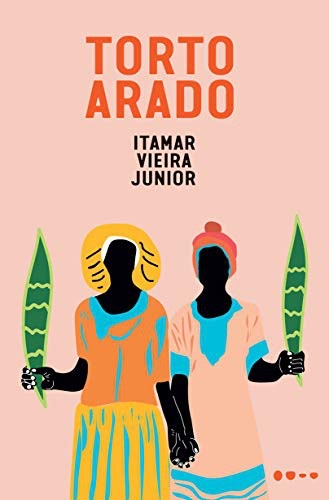
Cover of Torto Arado

Torto Arado

Itamar Vieira Junior

4 ideas

  1. Grandmother's Knife Severs One Sister's Tongue

    Two young sisters on the Água Negra plantation, Bibiana and Belonísia, secretly open their grandmother Donana's suitcase, find a silver-handled knife, and put it in their mouths; one of them loses her tongue. Afterward the speaking sister voices the mute sister's thoughts, and each learns to read the other's gestures so closely that they function as a single speaker. The novel withholds which sister was cut for its whole first part, so the reader experiences the wound as a shared one before learning it belongs to Belonísia.

  2. Mud Houses as Denial of Permanence

    Families on Água Negra work the landowner's fields in exchange for the right to live there rather than for wages, and they are forbidden to build houses of brick or any lasting material. Because every dwelling must be remade of mud after each rainy season, the families can never show a lasting improvement to the land or a claim of rooted occupation. The rule keeps them legally transient on ground their families have farmed for generations, extending slavery's conditions after abolition without the name.

  3. Labor and Lineage Found Land Rights

    The novel argues that the people who have worked and been buried in a land hold a truer title to it than the paper deeds of absentee owners. The claim moves from private conviction to collective action when Severo organizes the workers, is murdered for it, and the community then presses for recognition as a quilombo, a legally protected territory of descendants of enslaved people. Rights come from organized memory of work and ancestry, not from a sale on record.

  4. Spiritual Practice as Communal Survival Infrastructure

    The sisters' father, Zeca Chapéu Grande, is the community's healer and the leader of jarê, an Afro-Brazilian religion, and his ritual authority holds together families who have no legal power. The book's third section is narrated by Santa Rita Pescadeira, an encantada spirit who has passed through generations of bodies. Seen this way, religion works as the place where historical memory is stored, conflicts are settled, and resistance is carried forward when official institutions exclude a people.

Save and mark ideas in the app