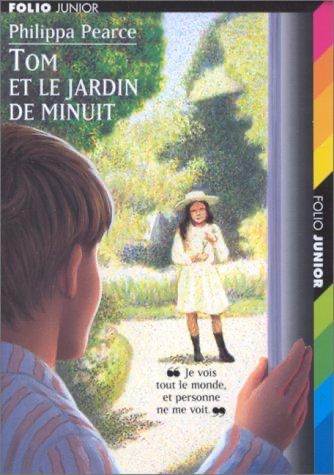
Cover of Tom's Midnight Garden

Tom's Midnight Garden

Philippa Pearce

4 ideas

  1. Tom, the thirteenth hour, and Hatty

    Quarantined for measles, Tom Long is sent to his aunt and uncle's flat in a converted old house with no garden. On his last morning he learns that the elderly landlady upstairs, Mrs Bartholomew, is Hatty, and that the garden was her dreaming memory of her childhood.

  2. Two lonelinesses make a shared place

    The garden exists only because two isolated people want it at the same moment: an old woman dreaming back to her childhood and a boy aching for somewhere to play. Neither could reach the other alone, so the meeting place comes from matching longings rather than from magic belonging to either person. Here connection is something two needs build jointly, not something one person grants the other.

  3. The old still contain the child

    An elderly person is not someone who has replaced their younger self but someone who still carries every earlier version. The frail, dull-seeming old woman upstairs is still the girl climbing trees and skating on the frozen river. The book ends by showing this: Tom hugs Mrs Bartholomew as if she were a small girl, because in the sense that matters she still is.

  4. Growing up as losing sight

    As Hatty ages toward courtship and adulthood, Tom becomes fainter to her until she stops seeing him at all. Seen this way, maturing is less about gaining things than about gradually losing the ability to perceive the imaginative companions of childhood.

Save and mark ideas in the app