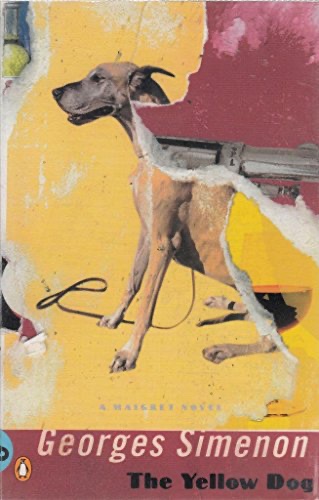
Cover of The Yellow Dog

The Yellow Dog

France · 1931

4 ideas

Buy on Amazon

In the Breton fishing port of Concarneau, Inspector Maigret investigates attacks on the town’s prominent residents while a stray yellow dog unsettles everyone. This crime novel draws you into the life of the town: Maigret watches how its people behave toward one another as fear spreads.

  1. The betrayed sailor returns to Concarneau

    Years earlier, three Concarneau café regulars (the doctor Michoux, Le Pommeret, and the journalist Servières) drew a young sailor, Léon Le Guérec, into a cocaine-smuggling venture, then abandoned him when it collapsed; he was caught and imprisoned in America. When he returns, a hulking figure trailed by a stray yellow dog, a shooting, a poisoned bottle and a staged disappearance throw the town into panic, and the outsider is presumed to be the danger. Maigret's investigation shows that the respectable notables' own guilt and fear produced most of the violence, and he lets Léon and his fiancée Emma, a café waitress, go free.

  2. Understanding by immersion, not deduction

    The investigator does not assemble clues into a logical chain. He sits in the café, watches, drinks and waits until he has absorbed how these particular people live, what they fear and what they hide. The solution emerges from understanding character and milieu, so the key question is 'what kind of person would do this here' rather than 'who had the opportunity'.

  3. Fear exposes guilt in respectable people

    People with a buried wrong react to a threat out of proportion to its visible size, because they know what they are afraid of. The notables' panic at the return of the man they betrayed, including their efforts to deflect suspicion, reveals their culpability more reliably than any physical evidence. Watching who is most frightened, and of what, is how the concealed history surfaces.

  4. The outsider as convenient scapegoat

    A community under threat projects danger onto the visible stranger: the vagrant, the giant with large footprints, the ownerless dog. This shields its own established members from scrutiny. The stranger's marginality makes him believable as a culprit, while the insiders' status makes their wrongdoing unthinkable to the town. Justice requires reversing this default and treating the powerless figure's grievance as potentially legitimate.

Save ideas and give them a thumbs up or down in the app