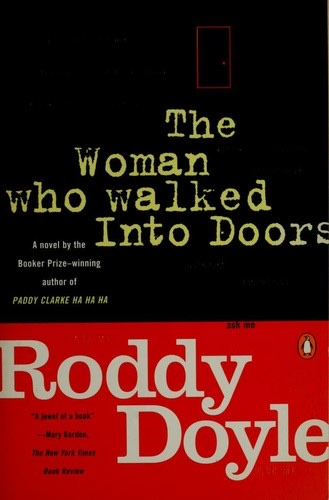
Cover of The Woman Who Walked into Doors

The Woman Who Walked into Doors

Roddy Doyle

4 ideas

  1. Paula Spencer's seventeen unasked-about years

    Paula Spencer, a Dublin woman, was beaten by her husband Charlo for seventeen years, suffering broken bones, lost teeth and repeated hospital visits, and no doctor, nurse, priest or relative ever asked her how she got hurt. She finally threw Charlo out after she saw him looking at their daughter Nicola in a way that frightened her, and she hit him with a frying pan. He was later shot dead by police after a robbery and kidnapping. She tells the story at thirty-nine as a widowed alcoholic.

  2. The unasked question as institutional complicity

    Abuse persists partly because the people positioned to notice it choose not to ask. Doctors and nurses accept 'I walked into a door' because a real question would oblige them to act. The victim is ready to tell the truth if asked directly, so the silence of witnesses becomes part of how the violence works.

  3. Unreliable memory as a trauma survival mechanism

    The victim's contradictory, revised and romanticized memories are not lies. They are how she survives an unbearable past. Paula keeps rewriting her recollections of Charlo and of her own childhood, holding love and terror at once, because a single clear account would force her to face the full scale of what happened. How fractured the telling is shows how deep the damage goes.

  4. Abuse is sustained through intermittent tenderness and self-blame

    The abuser alternates violence with charm and affection, so the victim keeps looking for the cause of the violence in her own behavior. Paula explains each beating by what she said or did, and she stays attached to the man who was also the source of her glamour and desire. Shame and alcohol then isolate her further, which makes leaving harder.

Save and mark ideas in the app