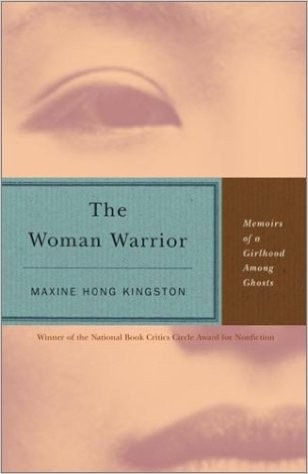
Cover of The Woman Warrior

The Woman Warrior

Maxine Hong Kingston

4 ideas

  1. No Name Woman: the aunt erased

    Kingston's mother tells her of a paternal aunt in China who became pregnant while her husband was working abroad. On the night she gave birth, villagers raided and wrecked the family house. She delivered alone in the pigsty and then drowned herself and the newborn in the family well. The family punished her by never speaking her name again. The mother told this story when Kingston began menstruating, as a warning ('Don't humiliate us'), and forbade her to repeat it. Kingston breaks the silence by imagining several competing versions of her aunt's life.

  2. Talk-story as coded, unreliable instruction

    Her mother passes down values through 'talk-stories' that mix legend, gossip, and family history without marking which is which. The child must work out alone what is literal truth, what is moral warning, and what is meant to frighten her into obedience. The stories teach, but their ambiguity also keeps the storyteller in control of what they mean.

  3. Everyone outside your frame is a ghost

    Immigrant parents call Americans 'ghosts', such as the Mail Ghost, Taxi Ghost, and Garbage Ghost. They treat them as insubstantial and not fully human. To the American-born daughter, the Chinese past and its dead relatives are ghosts too. Seeing a person as a ghost marks them as unreal to you, and a child raised between two cultures can end up seeing both sides this way.

  4. Reporting the crimes is the revenge

    In the legend of the swordswoman Fa Mu Lan, her parents carve the village's grievances into her back so that her body carries the record of injustice. Kingston concludes that her own weapon is language: 'The reporting is the vengeance—not the beheading, not the gutting, but the words.'

Save and mark ideas in the app