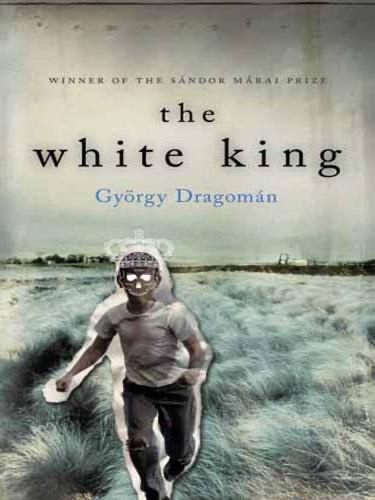
Cover of The White King

The White King

György Dragomán

4 ideas

  1. Father taken on a fake research trip

    He later learns his father was sent to a labour camp on the Danube Canal for signing a political petition. The novel follows Djata through a series of separate episodes while he waits for a return that never clearly comes, showing how a political sentence against one adult reshapes a child's whole world.

  2. Children's games reproduce the regime's power structure

    Djata's schoolyard fights, war games and football matches run on the same logic as the dictatorship around him. Stronger boys invent rules, change them mid-game, and punish anyone who breaks them, while adults such as coaches and officials exploit the children's rivalries for their own ends. Arbitrary authority does not stay at the top of a totalitarian society; it is copied downward until even play becomes an exercise in domination and submission.

  3. Child narrator exposes unexplained adult terror

    Because Djata reports events without knowing their political context, the reader sees the regime's machinery through gaps: whispered conversations, adults' sudden fear, rules no one explains. The child's partial understanding makes the arbitrariness visible, because nothing is rationalized or softened by adult interpretation. What he cannot understand becomes the evidence of how much is being hidden.

  4. Waiting as the child's form of loyalty

    Djata holds onto signs, bargains and private rituals that he believes will bring his father back, and treats hope as a duty he owes the absent parent. When the state removes a family member without explanation or an end date, the child who remains organizes his inner life around keeping faith. That waiting is both his resistance and the lasting damage done to him.

Save and mark ideas in the app