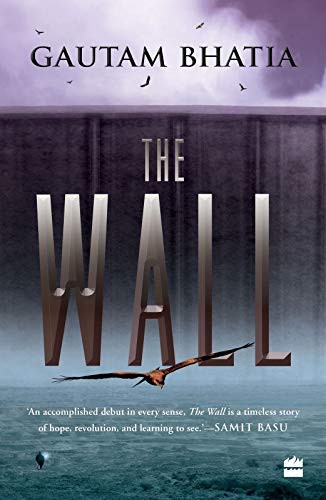
Cover of The Wall

The Wall

Gautam Bhatia

3 ideas

  1. Founding Myths Make Boundaries Feel Natural

    A long-standing boundary is held in place less by physical force than by stories that explain why it exists and why crossing it is dangerous or pointless. Once those myths are passed down across generations, the limit stops looking like a choice anyone made and starts looking like the natural shape of the world. That makes the question 'what is outside?' feel illegitimate before anyone has tried to answer it.

  2. The Boundary as a Constitutional Foundation

    Read a closed polity's outer limit as a constitutional provision rather than a geographic fact. Its authority, institutions and sense of collective identity all assume the boundary holds. A challenge to the wall is therefore a challenge to the whole political order's claim to legitimacy, which explains why authorities respond to it far more severely than to ordinary disagreement.

  3. Tolerated Reform Versus Forbidden Exit

    A closed system can absorb argument about how life inside should be arranged, because such argument still accepts the enclosure as given. Exit, or even the wish to look beyond the boundary, is different in kind: it denies the premise that everything worth having lies inside. For that reason the system treats exit as an existential threat, even when it is peaceful and comes from a single person.

Save and mark ideas in the app