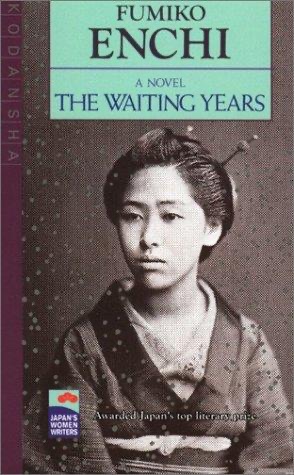
Cover of The Waiting Years

The Waiting Years

Fumiko Enchi

4 ideas

  1. Tomo Buys Her Husband a Concubine

    In Meiji Japan, the official Shirakawa Yukitomo sends his wife Tomo to Tokyo with money to find him a mistress. She selects Suga, a fifteen-year-old girl sold by her poor family, and brings her home to live under the same roof. Over forty years Tomo also absorbs a second concubine and her husband's seduction of their son's wife, all without public complaint, and preserves the family's standing throughout.

  2. The Victim as Enforcer of Her Subordination

    A system that humiliates someone can make that same person administer the humiliation, and this is how the system reproduces itself. By procuring and supervising her husband's concubines, Tomo gains managerial authority over the household in exchange for personally carrying out her own displacement. Her complicity binds her more tightly to the order that wounds her, because resisting it would also destroy the only power she holds.

  3. Suppressed Suffering Hardens Into Cold Control

    Grief that has no permitted outlet does not disappear. It turns into rigid self-discipline and quiet control over others. Tomo's decades of swallowed jealousy make her the steely, feared center of the household.

  4. Deathbed Refusal as Deferred Verdict

    A lifetime of silence can be read as a judgment the person is saving for the one moment when it cannot be answered or punished. The message rejects burial in his family's name and pronounces judgment on their whole marriage. Read this way, apparent submission can be a long-concealed accusation that only becomes visible at the end.

Save and mark ideas in the app