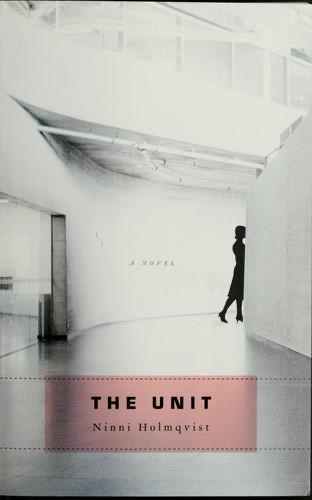
Cover of The Unit

The Unit

Ninni Holmqvist

4 ideas

  1. Dorrit Weger's entry into the Unit

    Dorrit Weger, a childless, unpartnered freelance writer, turns fifty and is legally reclassified as 'dispensable'. She leaves her dog and house for a well-appointed reserve bank unit where residents join drug and psychological trials and give up organs piece by piece until a 'final donation'. Inside, she finds friendship and falls in love with a fellow resident, Johannes, and becomes pregnant. The pregnancy does not free her, and when a real chance to escape comes, she goes back in.

  2. Dispensability defined by reproduction and dependents

    The state ranks citizens by whether anyone depends on them, meaning children, a partner, or a critical job. Anyone with no dependents is recast as a store of spare parts for people judged 'needed'. Worth becomes a relational accounting category rather than something intrinsic, so the most self-sufficient, least entangled people become the most expendable.

  3. Comfort is the instrument of coercion

    The Unit offers gourmet food, art, gyms, and companionship. That comfort is what makes the harvesting system work, not a cover over it. When people are finally treated with care and belonging after lives of being overlooked, resisting would mean giving up the first real community they have had.

  4. Internalized verdicts make escape unthinkable

    Read the victim's calm acceptance as evidence that the system has worked, not as a failure of character. After a lifetime of being told they matter less, people take on the state's valuation and experience their own sacrifice as reasonable or even fitting. Seen this way, the absence of revolt reflects how thoroughly the victims have absorbed the verdict, not how just the system is.

Save and mark ideas in the app