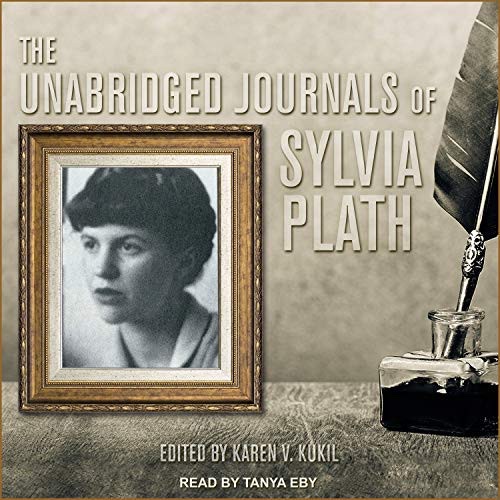
Cover of The Unabridged Journals of Sylvia Plath

The Unabridged Journals of Sylvia Plath

Sylvia Plath

4 ideas

  1. The widower who destroyed the final journal

    In his foreword to the 1982 abridged journals, Ted Hughes wrote that he had destroyed Plath's last journal, covering the months before her 1963 suicide, so her children would not have to read it, and that another notebook had 'disappeared.' Two further journals he had sealed were opened only after his 1998 death and appeared in Karen Kukil's unabridged 2000 edition. The record of a writer's last months was thus shaped by the person with the greatest personal stake in how she was read.

  2. Salaried teaching crowded out her own writing

    During her 1957–58 year teaching freshman English at Smith, Plath's journal records that preparing classes and grading consumed the energy and nerve she needed for her own poems and prose. She came to see the prestigious job as a respectable way to avoid the risk of writing full-time. She resigned and moved to Boston to test whether she could produce work without an institutional role to hide behind.

  3. The journal as rehearsal space for work

    Plath used her notebooks less as confession than as a workshop, drafting detailed sketches of people, rooms and overheard speech, setting herself exercises, and returning to material she later turned into poems and fiction. She also logged rejections, envy of other writers' acceptances and her own publishing targets. Daily practice with low stakes built the raw material and stamina that finished work drew on.

  4. Naming forbidden rage to release blocked work

    In the 1958–59 Boston entries, Plath records her psychiatrist Ruth Beuscher effectively giving her permission to hate her mother. She writes that anger she had turned against herself as depression and paralysis could now be named and aimed at its source. Read this way, some creative blocks are suppressed hostility, and admitting the feeling frees energy that self-reproach had been absorbing.

Save and mark ideas in the app