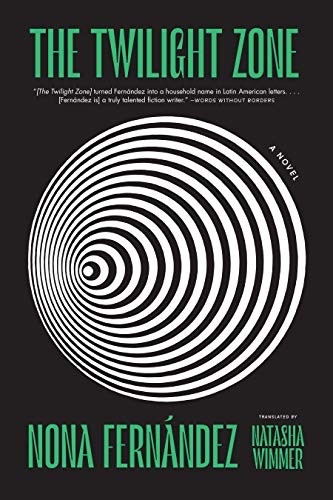
Cover of The Twilight Zone

The Twilight Zone

Nona Fernández

4 ideas

  1. The agent who said I tortured

    In August 1984, Andrés Valenzuela, a young Chilean Air Force conscript drawn into the intelligence apparatus that detained, tortured and disappeared opponents of Pinochet, walked into the office of the opposition magazine Cauce. He gave journalist Mónica González a detailed confession naming agents, detention sites and victims, and the magazine ran it under the headline "Yo torturé." Thirty years later a writer who saw that cover as a child tries to reconstruct him: an ordinary, unremarkable man whose testimony became evidence in human-rights cases.

  2. Atrocity lives in the ordinary

    Under this lens, state terror is not a separate dark world but a dim border region inside daily life. Torture centers stood on ordinary streets, agents went home to their families, and children watched television a few blocks away. Seeing it this way shifts attention from monsters to the normal routines, jobs and silences that let horror run in plain view.

  3. Imagination legitimately fills the archive's gaps

    Archives of state violence are full of holes: redacted files, dead or silent witnesses, fragmented childhood recollection. The book argues that openly imagining scenes, such as the perpetrator's home life or the victims' last hours, is an honest way to engage with those gaps. It works as long as the invention is marked as invention, because pretending documents alone can tell the story leaves the silences in place.

  4. The generation that half-knew

    Children who grew up under a dictatorship absorbed its violence as background noise: a magazine cover, overheard adult talk, a classmate's missing father. They took it in without the frame to understand it. As adults they carry memories that are both theirs and not theirs, so remembering becomes an obligation to reassemble what they witnessed without comprehending, and to ask what they were part of.

Save and mark ideas in the app