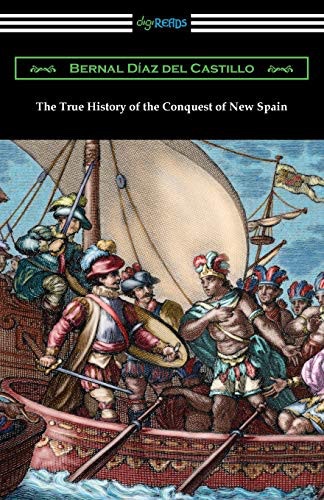
Cover of The True History of the Conquest of New Spain

The True History of the Conquest of New Spain

Bernal Díaz del Castillo

4 ideas

  1. Scuttling the ships at Veracruz, 1519

    In 1519 Cortés had his men run their ships aground and strip them near Veracruz. This cut off the retreat to Cuba that Velázquez loyalists wanted and made the march inland the only option. The episode shows commitment manufactured from below and above at once, not a lone heroic gesture.

  2. Victory belongs to the rank and file

    Díaz wrote to correct López de Gómara's chronicle, which he said gave the glory of the conquest to Cortés alone. His case is that the conquest succeeded because common soldiers fought, voted in councils, bled and died, and he names them one by one. Credit collected in a single commander is a distortion introduced by patronage and by official historians who were not present.

  3. Eyewitness memory as authority against official record

    Díaz grounds his authority in 'I was there,' not in learning or rhetoric. He sets concrete details against polished court histories: names of men and horses, wounds, what was eaten, the first sight of Tenochtitlan. This lens shows that official narratives are written by the distant and the rewarded. It also shows that a participant's testimony, decades later and self-interested, is a biased source of its own, pressing its own claims to reward.

  4. Indigenous alliances as the decisive force

    Díaz's account shows that a few hundred Spaniards could not have taken Tenochtitlan alone. After fierce battles, the Tlaxcalans became allies and supplied tens of thousands of warriors, porters and a refuge after the Noche Triste. Subject peoples resented Aztec tribute and joined as well. The conquest worked by turning an empire's internal enemies against its center, with Spanish weapons and disease adding to that pressure.

Save and mark ideas in the app