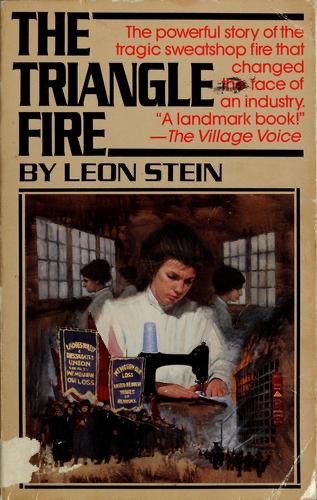
Cover of The Triangle Fire

The Triangle Fire

Leon Stein

4 ideas

  1. The Triangle Shirtwaist Factory fire, 1911

    On March 25, 1911, a fire broke out on the eighth floor of the Asch Building in Manhattan, where the Triangle Waist Company occupied the top three floors. 146 workers died in under half an hour, most of them young Jewish and Italian immigrant women. One stairway door was kept locked to prevent theft, the single fire escape collapsed, and fire department ladders reached only the sixth floor, so dozens jumped to the sidewalk in front of crowds.

  2. Fireproof buildings, unprotected occupants

    The Asch Building was rated fireproof, and after the fire its structure stood nearly intact while the people inside had burned. Safety codes written to protect property and structures can be fully met while offering almost nothing to the people inside. To judge whether a safety standard works, ask what it actually protects: the asset or the human beings.

  3. Legal acquittal despite obvious causal responsibility

    Triangle owners Max Blanck and Isaac Harris were tried for manslaughter and acquitted in December 1911, because the prosecution could not prove beyond doubt that they knew the door was locked at the moment of the fire. Later civil suits settled for about $75 per victim.

  4. Disaster converts to reform through prior organizing

    The 1909 'Uprising of the 20,000' shirtwaist strike had already demanded safer conditions, and Triangle had refused its union demands. That existing organizing, together with public outrage after the fire, pushed New York to create the Factory Investigating Commission, which produced dozens of labor and fire-safety laws. A catastrophe produces lasting reform when organized actors already hold a ready agenda and can turn public grief into political pressure.

Save and mark ideas in the app