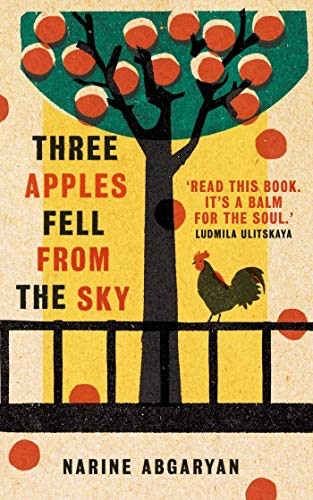
Cover of The Three Apples

The Three Apples

4 ideas

Buy on Amazon
  1. The chest, the apple, and the slave

    A fisherman sells a locked chest to the caliph; opened, it holds a murdered woman's dismembered body, and under threat of execution a young man confesses he killed his wife on the false suspicion of infidelity, triggered by a slave boasting he got one of three rare apples from a woman. The husband had bought those apples for his sick wife at great trouble; one went missing, and a stranger's idle boast about possessing it, repeated to the husband, became the 'proof' that condemned her. The slave had simply stolen the apple from the couple's child in the street.

  2. Acting on hearsay before verification kills

    The husband executes his wife on the strength of a stranger's unverified boast, never checking whether the apple he saw was actually hers or confronting her with the specific accusation. The story asserts that a single unexamined piece of 'evidence,' accepted because it fits a fear, can produce irreversible catastrophe.

  3. Confession as self-incrimination under deadline

    When the caliph threatens to execute his vizier unless the killer is found within three days, both the young husband and an old man step forward each claiming sole guilt, because the deadline forces hidden parties into the open. The pressure of an impending penalty on a third party, not detective work, surfaces the truth.

  4. A trivial object as the thread of causation

    The entire chain of death, suspicion, and investigation traces back to one apple: bought, stolen by a child, boasted about by a slave, and misread as evidence of betrayal. Reading events backward from the smallest physical token can reveal that a catastrophe rests on an almost absurdly minor accident rather than any grand motive.

Save ideas and give them a thumbs up or down in the app