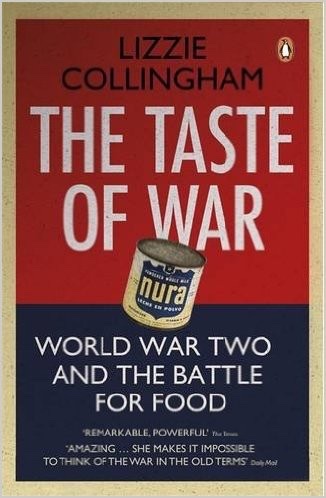
Cover of The Taste of War

The Taste of War

Lizzie Collingham

6 ideas

  1. Fear of blockade drove Axis land grabs

    They therefore sought conquered territory, Lebensraum in the East and an empire in Manchuria and Southeast Asia, as a self-sufficient food base. Securing agricultural land was a central motive for aggression, not a side effect of it.

  2. The Hunger Plan as planned starvation

    Before invading the Soviet Union, Nazi planners led by Herbert Backe calculated that feeding the Wehrmacht and German civilians from Soviet grain required removing the food supply of tens of millions of Soviet urban dwellers. Their planning papers anticipated that around 30 million people would starve as a result. Mass death was built into the economic plan as a deliberate method of reallocating calories, not left as an unforeseen consequence.

  3. Hunger pushed outward to the imperial periphery

    Wartime powers protected civilian diets at home by drawing food and shipping away from colonies and occupied lands. Britain kept its domestic rations stable partly by cutting imports to and extracting supplies from places like India and Africa, and Japan and Germany stripped the territories they occupied. To see who went hungry, follow the priority rules of the supply chain rather than the location of the fighting.

  4. The Bengal famine as a policy-made disaster

    In 1943 roughly three million people died in Bengal even though there was no catastrophic collapse in food production. The loss of Burmese rice imports, a denial policy that removed boats and rice from coastal areas, runaway wartime inflation, hoarding, and London's refusal to divert shipping for relief together put food out of reach of the rural poor. A shortfall in purchasing power, and the priorities imperial officials set, turned a manageable supply shock into mass death.

  5. American agricultural abundance as strategic weapon

    US soldiers were the best-fed troops in the war, and this abundance sustained Allied morale and fighting capacity. Food became a form of power that bound allies to America and shaped postwar influence.

  6. Japanese soldiers starved by their own supply failure

    Japan expected its troops to forage and live off the land, and it lacked the shipping and logistics to supply garrisons across the Pacific once American submarines cut its sea lanes. As a result, a large share of Japanese military deaths came from starvation and hunger-related disease rather than combat, and some isolated units resorted to cannibalism. An army that neglects food supply can be destroyed without being defeated in battle.

Save and mark ideas in the app