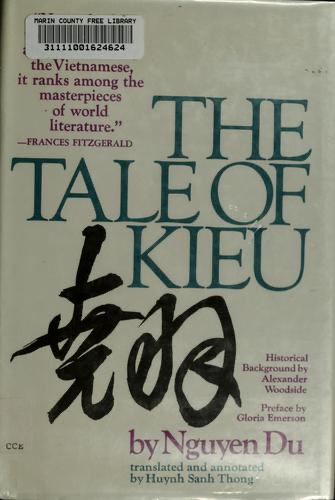
Cover of The Tale of Kieu

The Tale of Kieu

Nguyễn Du

4 ideas

  1. Kiều sells herself to ransom father

    When her father and brother are falsely accused and jailed after a silk merchant's slander, Thúy Kiều breaks her private vow to the scholar Kim Trọng and sells herself as a 'concubine' to Mã Giám Sinh, who is actually a brothel procurer. She asks her younger sister Thúy Vân to marry Kim in her place. This sets off fifteen years of prostitution, forced servitude under a jealous wife (Hoạn Thư), a marriage to the rebel Từ Hải, and a suicide attempt before she reunites with her family and Kim.

  2. Talent and destiny are at war

    The poem opens by claiming that tài (talent) and mệnh (fate) are natural enemies: exceptional beauty and gifts draw proportionate suffering, as if heaven envies the rose. Kiều's suffering is framed not as punishment for wrongdoing but as the cost built into being extraordinary. Talent therefore becomes a liability that invites predation instead of a protection against it.

  3. Virtue lives in intention, not bodily purity

    Kiều is repeatedly defiled and still judged virtuous, because she chose the sacrifice out of filial duty rather than desire. At the reunion Kim Trọng accepts that her chastity was preserved in her heart despite years in brothels. This relocates moral worth from a woman's sexual history to the motive behind her actions, against the Confucian standard of bodily chastity.

  4. Heart outweighs talent in karmic accounting

    The poem closes by saying that the root of goodness lies in the heart (chữ tâm), and one heart is worth three talents. On this reading, suffering fixed by fate can only be redeemed by cultivated compassion and sincerity, not by the gifts that caused it. Read this way, Kiều's story becomes a record of inner merit slowly earning release from debts owed to heaven.

Save and mark ideas in the app