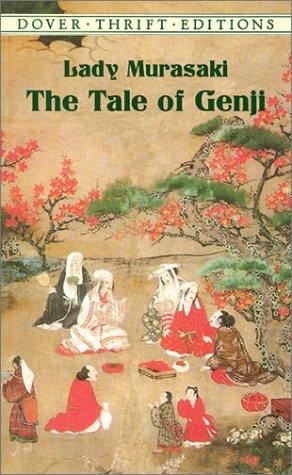
Cover of The Tale of Genji

The Tale of Genji

Murasaki Shikibu

4 ideas

  1. Genji's affair with Fujitsubo returns to him

    Genji secretly fathers a son with his father's consort Fujitsubo, and the child is raised as the Emperor's own and later becomes Emperor Reizei. Decades later, Genji's young wife the Third Princess is seduced by Kashiwagi and bears Kaoru, whom Genji must publicly acknowledge as his own son while knowing the truth. The transgression he got away with is repeated against him, and he recognizes his own father's likely position in his own.

  2. Mono no aware: sensitivity to transience

    Beauty is felt most sharply when it is perceived as passing. The tale's refined characters are judged by their capacity to be moved by the impermanence of blossoms, seasons, lovers and status. Heightened feeling comes from the knowledge of loss, not in spite of it.

  3. Women's security depends on male patronage

    In a polygamous court where women live hidden behind blinds and cannot act publicly, a woman's rank, housing and future depend on the continued attention of a powerful man. Characters like Murasaki, Rokujō and the Uji sisters show that a man's love, however sincere, cannot give a woman security, because his interest can shift or his political position can change. Their suffering comes from the structure, not only from individual cruelty.

  4. Diminishing heirs reveal a fading world

    The Uji chapters replace Genji with two partial inheritors: Kaoru has his seriousness but is frozen by doubt, and Niou has his desire but lacks depth. Splitting one radiant figure into two lesser ones lets generational succession show decline, with each generation receiving fragments rather than the whole. The tale ends with Ukifune withdrawing into a nunnery and leaving both men unresolved.

Save and mark ideas in the app