The Taker: violence as debt collection
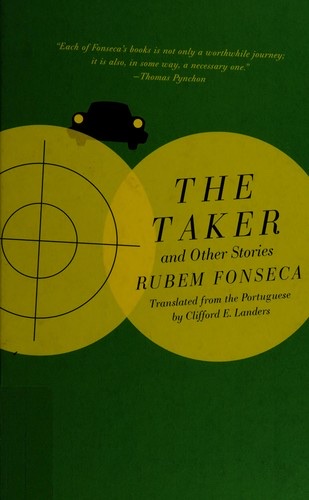
He moves from random attacks on the well-off to killings he treats as payments due. After meeting a wealthy woman, Ana, he reorganizes his rage into planned mass violence against the rich.
5 ideas
He moves from random attacks on the well-off to killings he treats as payments due. After meeting a wealthy woman, Ana, he reorganizes his rage into planned mass violence against the rich.
After tense dinners with a family he finds alienating, a prosperous businessman takes his expensive car out at night and deliberately runs down a pedestrian. He then returns home calm and ready for the next workday. The killing works as a private stress-relief ritual that his status and anonymity let him repeat without consequence.
Fonseca's killers narrate their crimes as obligations that had to be done, such as settling a debt, restoring balance, or preserving sanity, rather than as transgressions. Because the account comes from inside that logic in the first person, the reader follows its internal coherence without an authorial voice condemning it. The horror comes from how reasonable the justification sounds to the person holding it.
The poor man who takes because he feels owed and the rich man who kills because he can get away with it both act on entitlement. One claims a right to what was withheld, and the other assumes a right to use others' bodies for his own relief. Reading violence this way treats it as a relation between classes, each side's sense of what it deserves colliding in the street, rather than as a trait of one class.
In several stories, including the pedestrian killing and the executive who finally shoots the beggar who keeps asking him for money, crime appears as a way to discharge pressure the character cannot otherwise bear. The act is presented as psychologically stabilizing for the perpetrator, which exposes how the social order makes some people's equilibrium depend on harming others.