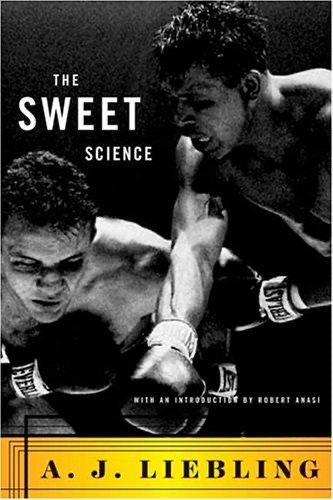
Cover of The Sweet Science

The Sweet Science

A. J. Liebling

5 ideas

  1. Television hollowed out boxing's apprenticeship system

    Televised fights pulled paying crowds out of small neighborhood clubs, which had worked as the sport's farm system where young fighters learned their trade over dozens of low-stakes bouts. With those clubs gone, fighters were rushed onto national screens before they had learned the craft. The sport kept its spectacle while losing the pipeline that produced skilled practitioners.

  2. Skill passed hand to hand across generations

    Boxing technique is transmitted through an unbroken chain of trainers and fighters who each learned by touch from someone who had fought an older master. A craft's real knowledge lives in that lineage of physical instruction, not in written rules, and it survives only as long as the chain does.

  3. Moore versus Marciano: cunning against relentlessness

    Liebling framed Archie Moore's 1955 challenge to Rocky Marciano as Ahab pursuing Nemesis. Moore was an old, cerebral ring scientist who dropped Marciano early, but Marciano's capacity to absorb punishment and keep coming wore him down, and Moore was knocked out in the ninth round. The fight shows that technical brilliance can lose to raw durability once the contest becomes a war of attrition.

  4. Robinson beaten by heat, not his opponent

    Sugar Ray Robinson was well ahead on points against Joey Maxim in a 1952 fight at Yankee Stadium, held in heat above 100 degrees. The heat wore down the fast-moving Robinson and forced out the referee. Robinson collapsed from exhaustion and could not answer the bell for the fourteenth round. The slower Maxim won because he spent less energy, which shows how environmental conditions can reverse an apparent skill advantage.

  5. Watching the ringside eccentrics, not just the fight

    Liebling reports as much on managers, cornermen, trainers like Charley Goldman and the crowd as on the punches. He treats the whole subculture as the real subject. The people around a spectacle, with their jargon, schemes and folk wisdom, show how an institution actually works more clearly than its headline performers do.

Save and mark ideas in the app