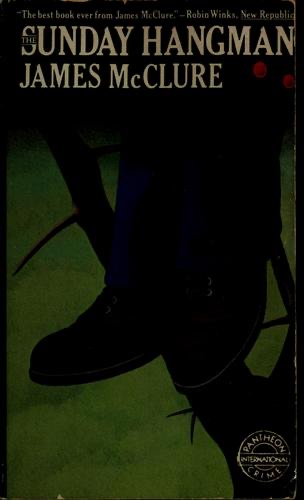
Cover of The Sunday Hangman

The Sunday Hangman

James McClure

4 ideas

  1. A hanging done like an official execution

    Kramer and Zondi are called to a man found hanged in the Natal countryside, apparently a suicide. The inquiry leads them through the same prisons, courts and race laws that supply the killer's method and his sense of justice.

  2. Apartheid seen as routine police procedure

    The novel shows racial domination as clerical, procedural work rather than as speeches or violence: checking passes, classifying people, logging offences and enforcing where people may sleep. Presented this plainly, the system's cruelty lies in how normal it feels to the officers doing it. Judging an oppressive order by its daily paperwork shows more than judging it by its ideology.

  3. Interdependence the racial hierarchy officially denies

    Kramer holds the formal authority, but many of his results depend on Zondi's intelligence, languages and access to Black communities where a white officer cannot operate. The law ranks Zondi below Kramer, while the investigation shows they are practical equals, and each man has to perform the hierarchy in public while depending on the partnership in private. A system that relies on the competence of the people it subordinates is always hiding its own dependence.

  4. Criminalizing intimacy makes police enforcers of private life

    The Immorality Act made sex across the colour line a crime, which turned detectives into watchers of bedrooms and made ordinary desire something that could be prosecuted. A law like this creates secrets, and those secrets give people leverage for blackmail, informing and ruined lives. Enforcing it pulls the police into the private conduct of the very citizens the law claims to protect.

Save and mark ideas in the app