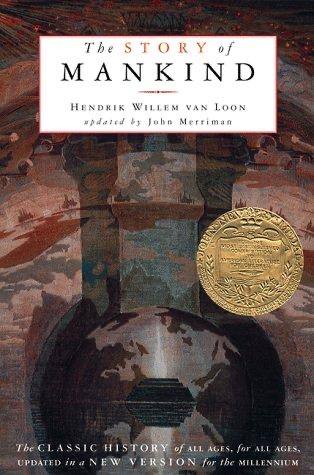
Cover of The Story of Mankind

The Story of Mankind

Hendrik Willem van Loon

4 ideas

  1. The bird and the rock of Svithjod

    The book opens with a parable. In the far north, in a land called Svithjod, stands a rock a hundred miles high and a hundred miles wide, and once every thousand years a little bird comes to sharpen its beak on it. When the rock has been worn away completely, a single day of eternity will have gone by. The image shrinks all of recorded human history to a sliver of time, so that the reader starts from humility about how short and recent civilization is.

  2. History as a Tower of Experience

    Van Loon pictures history as a tall tower that Time has built out of the accumulated experience of past ages. Climbing it is hard work, but from the top you can see the whole landscape and how its parts connect. The payoff of studying the past is therefore orientation: seeing where the present came from, rather than collecting dates or isolated facts.

  3. Environmental necessity forces social organization

    Civilizations arise where a geographic problem demands collective, sustained coordination. That in turn required calendars, surveyors, officials, record-keeping and eventually writing. Van Loon's consistent 'why' is that institutions and inventions are practical answers to a material pressure, not spontaneous flowerings of genius.

  4. Machines outran the politics meant to govern them

    The Industrial Revolution remade production, transport and warfare within a few generations. Diplomacy, nationalism and statecraft, however, kept running on older ideas about power and rivalry. Van Loon presents the catastrophe of the First World War as the result of this mismatch: nations wielding modern mechanical power through premodern political habits.

Save and mark ideas in the app