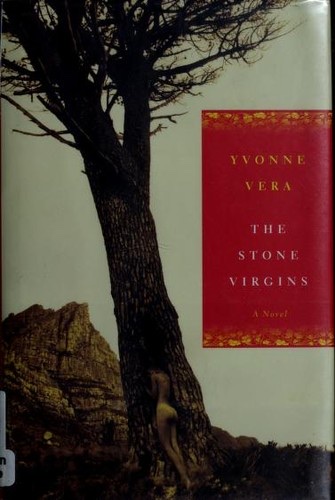
Cover of The Stone Virgins

The Stone Virgins

Yvonne Vera

4 ideas

  1. Sibaso's attack on the Kezi sisters

    In 1981 in rural Kezi, Matabeleland, Sibaso, a former guerrilla from the liberation war, enters the home of sisters Thenjiwe and Nonceba. He beheads Thenjiwe in front of Nonceba, then rapes Nonceba and cuts off her lips. Around the same period, government soldiers burn the village store at Thandabantu and kill villagers, so civilians are brutalized by both the dissident fighter and the state.

  2. Liberation war violence outlives independence

    Independence does not end a war's violence; it can redirect it onto the population the war claimed to free. Fighters trained for killing who have no war left, and a new state that treats a region as the enemy, both turn on rural civilians. Those civilians have no side to shelter behind.

  3. Mutilated mouth as silenced testimony

    Cutting off Nonceba's lips attacks the survivor's capacity to speak, not just her body. It turns the atrocity into a wound that makes telling it physically harder. The same lens shows how a massacre is erased twice: first by the killing, then by disabling the voices that could bear witness.

  4. Recovery as slow restoration work

    Cephas, who restores old stone structures, takes the wounded Nonceba to Bulawayo. The novel frames her recovery as a painstaking reconstruction from what survived rather than a return to what she was before. Healing after atrocity becomes patient, material work done alongside another person, not a sudden release or closure.

Save and mark ideas in the app