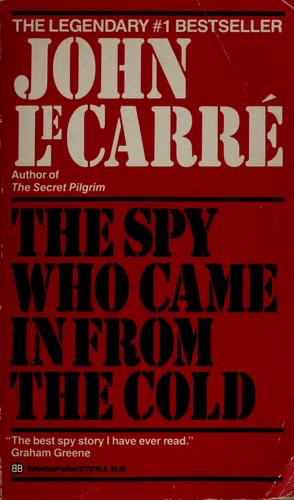
Cover of The Spy Who Came in from the Cold

The Spy Who Came in from the Cold

John le Carré

4 ideas

  1. Leamas's mission secretly protects Mundt

    Alec Leamas, after his Berlin network is destroyed, fakes a drunken decline and 'defects' to East Germany to feed evidence that Hans-Dieter Mundt, the ruthless head of East German counterintelligence, is a British agent; Mundt's Jewish deputy Fiedler builds the case and brings him before a tribunal. The case collapses when Liz Gold, Leamas's naïve Communist girlfriend who was brought to East Germany as a witness, reveals that the Circus paid off Leamas's debts, exposing the frame. Leamas then learns the operation was built to fail: Mundt really is a British asset, and the true aim was to discredit and destroy Fiedler, who had grown suspicious of him. At the Berlin Wall, Liz is shot, and Leamas climbs back down to die beside her rather than escape.

  2. Means corrupt the side using them

    The book argues that a liberal democracy which defends itself with the same methods as its totalitarian enemy loses the moral distinction it claims to protect. The Circus sacrifices an innocent woman and a decent man (Fiedler) to preserve a former Nazi murderer (Mundt), because he is useful. On this view, 'they're just like us' stops being a cynical slogan and becomes a literal description of how both services operate.

  3. The operative as expendable instrument

    Intelligence organizations deliberately keep their own agents ignorant of an operation's true purpose, so that the agents' genuine belief and genuine suffering make the deception convincing. Leamas's cover works because he does not know he is meant to be caught. His ignorance is a design feature, not an oversight, and he is spent the way any other material is spent.

  4. Discovering the truth completes the trap

    The plot is built so that the diligent investigator's correct reasoning becomes the mechanism of his defeat. Fiedler rightly suspects Mundt, and Leamas and the tribunal uncover a real frame-up. But the exposed frame-up was itself the planned outcome, designed so that the true answer discredits the person who found it. Looking this way shifts the question from 'is this evidence true?' to 'who benefits if I discover and act on it?'

Save and mark ideas in the app