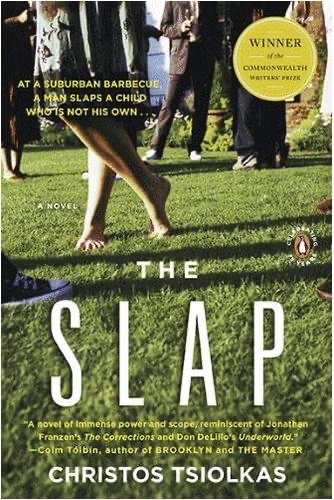
Cover of The Slap

The Slap

Australia · 2008

4 ideas

Buy on Amazon

At a barbecue in contemporary Melbourne, Harry slaps another couple’s young child. The guests divide over what happened, and their friendships and families feel the strain. Told through eight viewpoints, Christos Tsiolkas’s novel lets one public act expose private arguments about parenting, class and marriage.

  1. The barbecue slap and its court case

    At a suburban Melbourne barbecue hosted by Hector and Aisha, Hector's cousin Harry slaps three-year-old Hugo after the boy swings a cricket bat at Harry's son. Hugo's parents, Rosie and Gary, press assault charges, and the guests split into camps. Harry is eventually acquitted, but friendships and marriages are permanently rearranged along the way.

  2. One event refracted through many partisans

    The same incident is narrated in turn by eight people, each of whom sees the slap mainly through their own grievances, loyalties and self-image. Shifting the viewpoint shows that people judge a moral event less by what happened than by which side their existing relationships and resentments already place them on.

  3. Disputes over discipline are proxies for identity

    Arguments about whether a stranger may strike a misbehaving child are really fights over class, ethnicity, generation and parenting philosophy. Each side reads the other's position as proof of deeper moral failure.

  4. Public crisis exposes hidden private fractures

    A single public transgression works as a stress test that brings buried tensions to the surface: affairs, marital resentments, family pressures and hidden loneliness. The slap does not create these fractures. It forces people to declare loyalties, which reveals the fault lines that were already there.

Save ideas and give them a thumbs up or down in the app