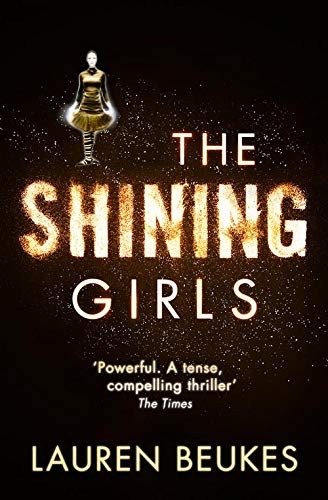
Cover of The Shining Girls

The Shining Girls

Lauren Beukes

4 ideas

  1. Harper Curtis and the survivor Kirby

    In 1930s Chicago, the drifter Harper Curtis finds a house that opens onto other decades. Inside is a list of names of 'shining girls' whom he visits as children and later returns to murder, from the 1930s to the 1990s, leaving objects from other eras at each scene. Kirby Mazrachi survives his attack in 1989, then takes an internship at the Chicago Sun-Times and works with a reporter to track a killer whom the police cannot fit into any single timeline.

  2. Predestination as a killer's alibi

    The House gives Harper a list of names that already exists and shows him scenes as though they have already happened. He comes to treat each murder as fulfilling a fixed pattern rather than making a choice. A closed causal loop becomes a way for a perpetrator to push his agency onto fate, recasting compulsion as obligation.

  3. Violence as erasure of women's futures

    Harper targets women for their brightness: their potential, ambition and capacity to change things. Each victim is set against the barriers of her era, such as wartime industrial work or underground abortion counseling. The murders therefore read as attacks on what those women would have become, not only as attacks on individuals.

  4. Institutions miss patterns that break their categories

    The killings cross decades and carry anachronistic evidence, so police file them as unrelated cases and dismiss the clues as noise. Kirby's refusal to accept closure lets her see the connection. Only a motivated outsider, working outside the procedure, assembles the pattern.

Save and mark ideas in the app