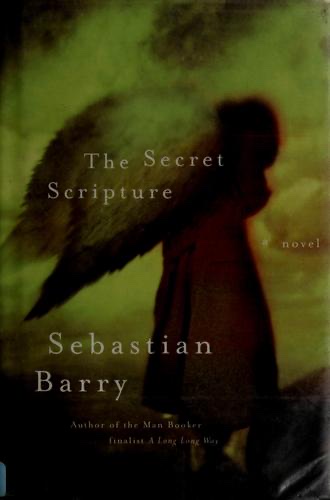
Cover of The Secret Scripture

The Secret Scripture

Sebastian Barry

4 ideas

  1. Roseanne McNulty's committal and lost son

    In 1920s–30s Sligo, Roseanne, a Presbyterian rat-catcher's daughter, marries Tom McNulty. Decades later, as the Roscommon asylum prepares to close, her psychiatrist Dr Grene, assessing whether she can be released, discovers that he is that son.

  2. Official record and private memory both distort

    The priest's deposition and the patient's memoir give incompatible accounts of the same events, and neither can be fully trusted. The institutional record carries authority it has not earned, since it was written by someone with power and motive. The personal account is shaped by trauma, age and self-protection. Truth about a life has to be triangulated from partial, biased testimonies rather than taken from whichever source is most official.

  3. Moral judgment converted into psychiatric diagnosis

    A community can remove an inconvenient woman by relabeling perceived sexual or social transgression as madness. Once a priest's or family's moral verdict is certified as illness, confinement becomes self-justifying. Her protests then read as further symptoms, and the label outlives everyone who remembers why it was applied.

  4. The patient file as mutual testimony

    Setting the psychiatrist's notes beside the patient's secret writing shows that the clinician's record reveals his own grief, doubt and blind spots as much as the patient's condition. Reading an institutional file as two people's competing self-accounts, rather than as an observer describing a subject, turns the assessor into someone who is also being assessed.

Save and mark ideas in the app